

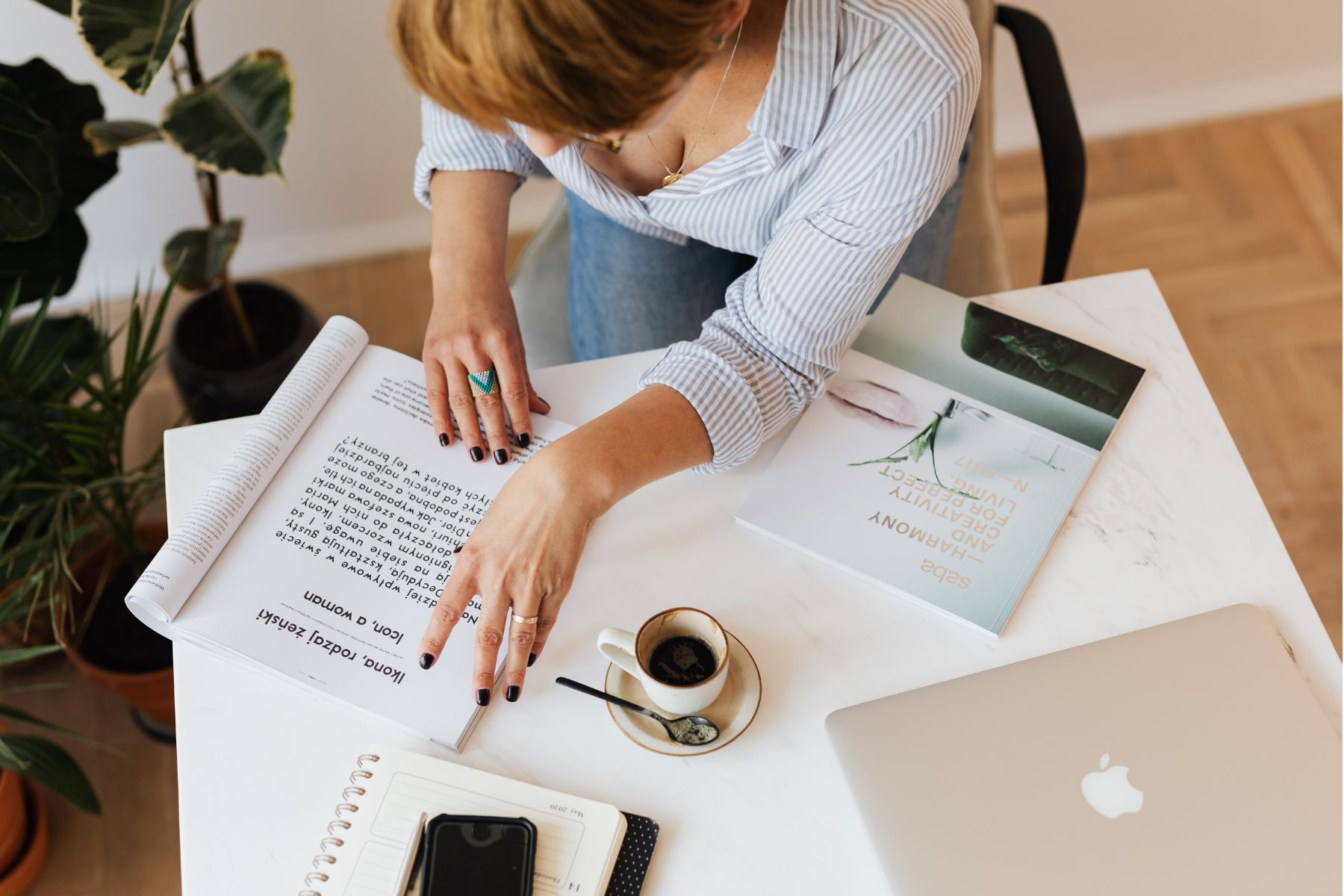
Working from home does offer flexibility, but somehow it also brings distractions that can hurt our focus. If you want to Boost Productivity at Home, this guide shares practical, science-backed methods that actually works. From setting up your space to managing energy and screen time, these tips help you work smarter without burning out.
Why It Matters to Boost Productivity at Home
Productivity at home is not about working actually for longer hours. It is about creating the right systems so your time and energy are used well.
When you boost productivity at home, you can:
- Complete tasks faster
- Stay focused for longer periods
- Reduce all the stress and mental overload as well
Research shows that structured routines and well-designed environments improve output and lower fatigue for remote workers.
Create a Productive Home Workspace
Your work environment plays a major role in how well you focus.
Choose a Dedicated Work Zone
Having one clear space for work helps your brain switch into focus mode.
Benefits include:
- Fewer distractions
- Clear work-life boundaries
- Better mental discipline
If possible, avoid working from your bed or couch. A proper desk and chair reduce physical strain and mental fatigue.
Improve Light and Comfort
Natural light helps regulate mood and alertness. Position your desk near a window if you can. Add a soft desk lamp if needed to avoid eye strain.
Reduce Noise Distractions
Sound affects concentration more than we realize.
Try:
- Noise-canceling headphones
- Soft background music
- Quiet focus or ambient sounds
A calm sound environment supports deeper work.
Build a Clear Daily Routine
Your brain performs best when it knows what to expect.
Start With a Strong Morning
How your day begins often decides how productive it becomes. Following a structured Morning Routine for Working Professionals can improve focus, decision-making, and energy levels throughout the day. Simple habits like hydration, light movement, and planning your tasks set a strong foundation.
Plan Your Day in Blocks
Divide your workday into focused sections:
- Planning time
- Deep work sessions
- Short recovery breaks
This reduces decision fatigue and keeps your energy steady.
Tackle Important Tasks First
Your brain is usually sharpest earlier in the day. Use that time for tasks that need focus and problem-solving, not emails or scrolling.
Control Digital Distractions
Phones and apps are useful, but they can quietly steal hours from your day.
Practice a Simple Digital Detox
Constant notifications interrupt focus and increase stress. A short digital detox during work hours can improve clarity and productivity.
Helpful habits include:
- Checking emails at fixed times
- Turning off non-essential alerts
- Keeping your phone out of reach during deep work
If you want to go deeper, learning https://zynnkr.com/how-to-create-a-minimalist-lifestyle/ can help reduce digital clutter and mental overload long term.
Use Proven Productivity Techniques
Some methods are popular because they are backed by research.
Try the Pomodoro Method
Work for 25 minutes, then take a 5-minute break.
Why it works:
- Prevents mental fatigue
- Encourages focused effort
- Makes large tasks feel manageable
After four cycles, take a longer break.
Focus on One Task at a Time
Multitasking reduces efficiency and increases mistakes. Single-tasking helps you finish work faster and with better quality.
Take Smart Breaks
Breaks are not wasted time. They help your brain recover.
Good break ideas:
- Stand and stretch
- Walk for five minutes
- Practice slow breathing
Short breaks improve memory, creativity, and focus.
Fuel Your Body for Better Focus
What you eat and drink affects how your brain works.
Eat for Steady Energy
Choose meals that avoid sugar crashes.
Good options include:
- Eggs, beans, or yogurt
- Whole grains
- Fruits and vegetables
Balanced meals help maintain concentration.
Stay Hydrated
Even mild dehydration can reduce attention and mental performance. Keep water nearby and drink regularly.
Move Your Body Daily
Physical movement improves blood flow to the brain and lowers stress.
Simple ways to move:
- Light stretching
- Short walks
- Quick home workouts
Just 10–20 minutes of activity can improve alertness.
Review and Adjust Weekly
Productivity is personal and flexible.
Ask yourself:
- What helped me focus this week?
- What distracted me most?
- What can I simplify next week?
Small changes lead to steady improvement.
Expert Insight
Studies in work science show that consistent routines, reduced digital noise, and clear task priorities lead to better performance and lower stress. Creating structure helps regulate your internal clock and supports long-term well-being.
If you want to Boost Productivity at Home, focus on small, repeatable habits. Build a workspace that supports focus. Create routines that match your energy. Reduce digital overload. Take care of your body and mind.
Productivity is not about pressure, instead It is about clarity, balance, and intention.
Start today by choosing one tip from this guide and applying it for a week. For more practical productivity and lifestyle insights, subscribe to our newsletter and stay ahead. Visit Zynnkr to stay updated.